

By Chris Mikkides
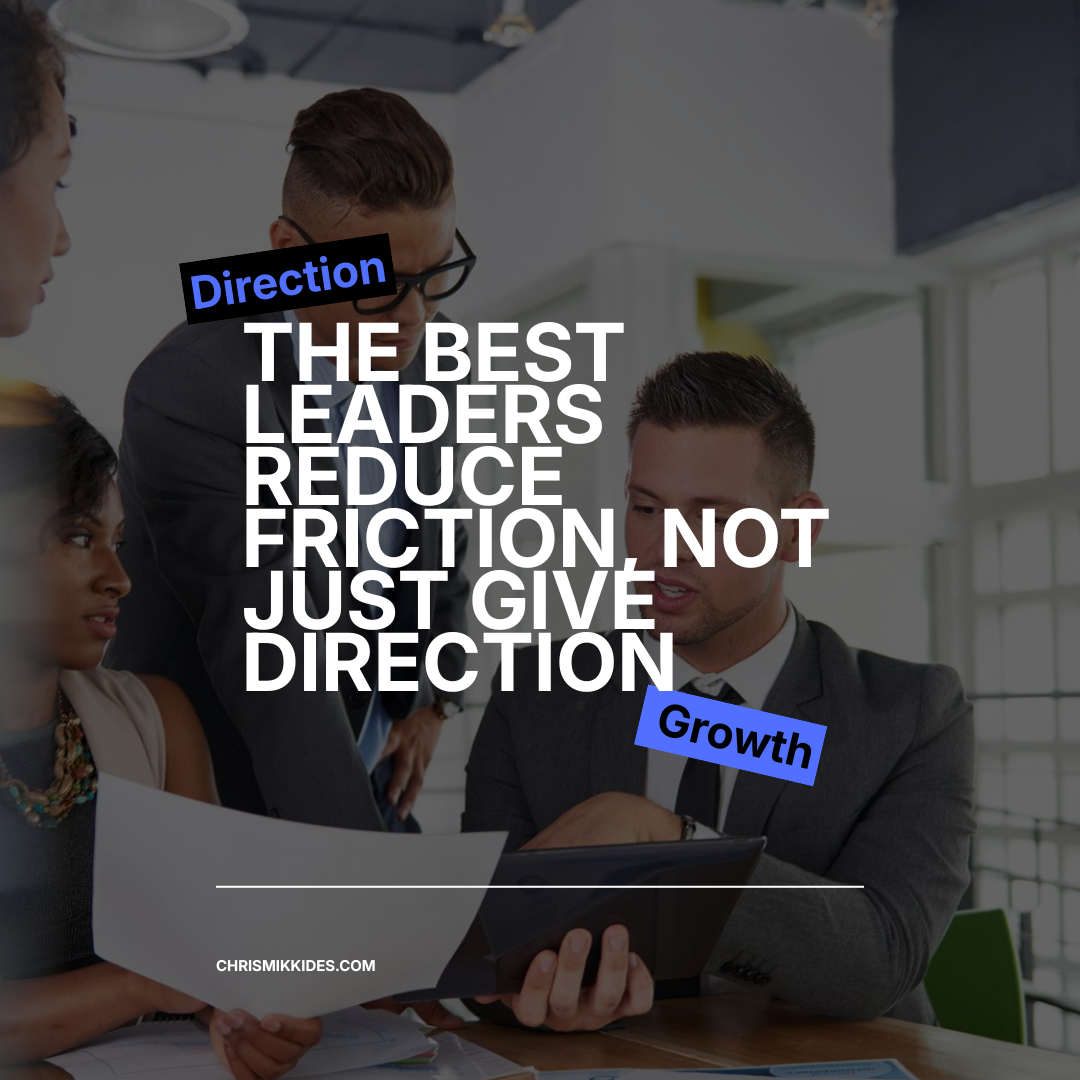
Leadership is not solely about setting a vision or giving directives. In the fast-paced world of business, effective leadership revolves around creating environments where execution becomes seamless. Understanding the difference between simply steering a ship and ensuring the ship runs smoothly is vital for any leader aiming to optimize performance and achieve results. The most effective leaders, like myself, focus on identifying operational friction, minimizing unnecessary complexity, and enhancing team efficiency. In this article, we will explore how removing friction leads to exponential gains in productivity and morale.
Understanding Operational Friction
Operational friction can be defined as the obstacles that slow down execution and make it challenging for teams to perform optimally. Emerging from outdated processes, unclear communication, or unnecessary bureaucracy, friction hinders progress and ultimately affects the bottom line. Here’s how you can identify and understand operational friction:
- Listen Actively: Engage with your team to uncover their pain points. This can be done through regular check-ins and feedback sessions.
- Evaluate Processes: Analyze current workflows to identify bottlenecks or redundancies.
- Map Out the Journey: Visualize the steps your team takes to complete tasks; this will help identify friction points.
Removing Complexity to Enhance Performance
Once operational friction has been identified, the next step is to eliminate unnecessary complexity. Here are actionable strategies to streamline processes and facilitate smoother operations:
Simplify Communication
Communication is crucial for effective teamwork. Here’s how to simplify it:
- Establish clear channels to ensure everyone knows where to find information.
- Encourage transparency; everyone should feel empowered to share updates and ask questions.
- Utilize collaborative tools that centralize communication and documentation, reducing the need for back-and-forth emails.
Streamline Processes
Process complexity can lead to confusion and inefficiency. To streamline:
- Standardize procedures where possible to create consistency.
- Automate repetitive tasks to free up team members for high-value activities.
- Regularly review and revise processes to ensure they still align with current business goals.
Fostering a Culture of Continuous Improvement
To successfully reduce friction, a culture of continuous improvement must be nurtured. Here’s how to encourage ongoing enhancements:
- Encourage Experimentation: Allow team members to test new ideas without fear of failure.
- Provide Learning Opportunities: Invest in development programs that help team members enhance their skills.
- Celebrate Wins: Recognize and reward contributions that lead to improved processes and outcomes.
Measuring Improvement and Success
How do you know if your efforts to reduce friction are successful? Key performance indicators (KPIs) can provide valuable insights:
- Monitor team productivity metrics to see if projects are completed on time.
- Assess quality of work and customer satisfaction to ensure that improvements are being felt outside the team.
- Solicit regular feedback from your team about their experiences and any new challenges.
Conclusion: Leading for Efficiency
In summary, real leadership is about more than just setting a path forward; it’s about creating a clear road. The best leaders are those who actively reduce friction and simplify processes, making execution easier for their teams. When leaders focus on minimizing barriers to productivity, they cultivate an environment where efficiency flourishes. By embracing these principles, you can transform not only your team’s performance but also reinforce a culture of empowerment and growth.
With the right mindset and strategies, every leader can foster a workspace that promotes efficiency, creativity, and continual improvement.
Join the conversation and share your thoughts on how to reduce friction in your leadership practice!
#Leadership #ReduceFriction #BusinessStrategy #TeamEfficiency #SimplifyProcesses #ContinuousImprovement #EmpowerYourTeam #ExecutiveLeadership #OperationalExcellence #BusinessConsultant #ChrisMikkides #chrismikkides
Leave a Reply